Neighbourhood Watch groups prepare for military-grade surveillance operation ahead of Essex hosepipe ban

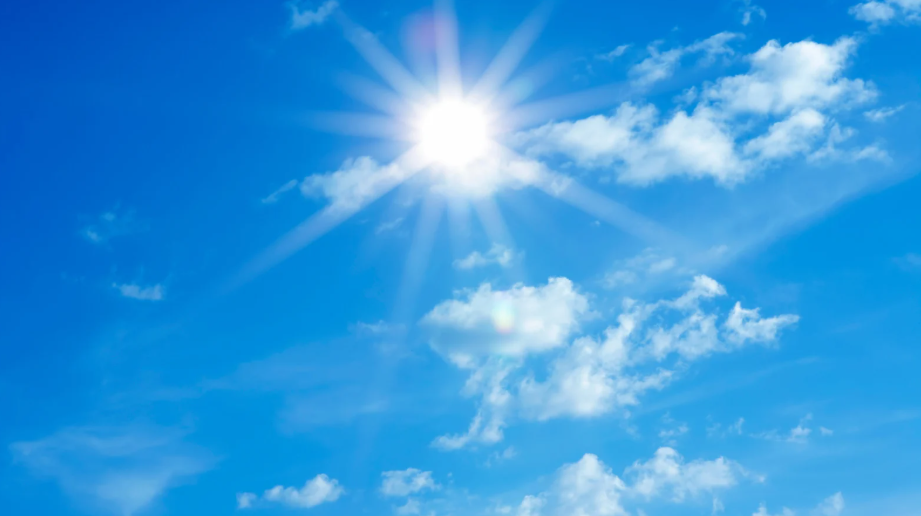
The ban comes into effect tomorrow, 11 July.
Neighbourhood Watch groups across Essex are preparing to launch a major surveillance operation ahead of tomorrow’s hosepipe ban.
The operation, which has been described by organisers as “necessary preparation”, will begin once the restrictions come into force. It will involve residents monitoring gardens, driveways, and outdoor areas for signs of unauthorised hosepipe activity.
Preparations for the operation have reportedly been underway for several days, with volunteers conducting briefings, reviewing garden layouts and ensuring surveillance equipment is ready for deployment.
The equipment reportedly being prepared for the operation includes long-range binoculars, specialist thermal-imaging cameras, AI-powered drones and an encrypted two-way radio system.
The hosepipe ban comes into force tomorrow (Saturday, 11 July) at 1am. Anglian Water explained that the restrictions are necessary due to the unusually dry conditions across the region recently.
The restrictions prohibit the use of a hosepipe for watering plants, washing cars, filling swimming pools, and recreating scenes from famous maritime disasters.
Anyone found to breach the ban could face serious consequences, such as a fine of up to 78 pence or a requirement to attend a three-day water conservation seminar.
Residents have mixed feeling about the operation. While many have praised the additional monitoring, others are concerned it may be ‘slightly excessive’.
A man person from Colchester said: “I was planning to water the plants one last time tonight, but after hearing about the thermal cameras, I’ve decided it’s probably not worth the risk.”
Meanwhile, a different man said they fully support the operation, explaining, “If you’ve got nothing to hide, you’ve got nothing to fear. That’s what I keep telling my hydrangeas.”
The hot weather is expected to continue over the coming days, largely because it is July. This period of warm weather is known as ‘summer’, where temperatures are typically hotter than winter.
Share article
Comments
Please abide by our Community Guidelines at all times. Abuse or misuse of the comments system will result in a ban.
Advertisement
Get involved with the news
We love to hear from our readers. If you have a story to share, or have a question about our news coverage, get in touch.
Popular stories




Latest articles




Share article